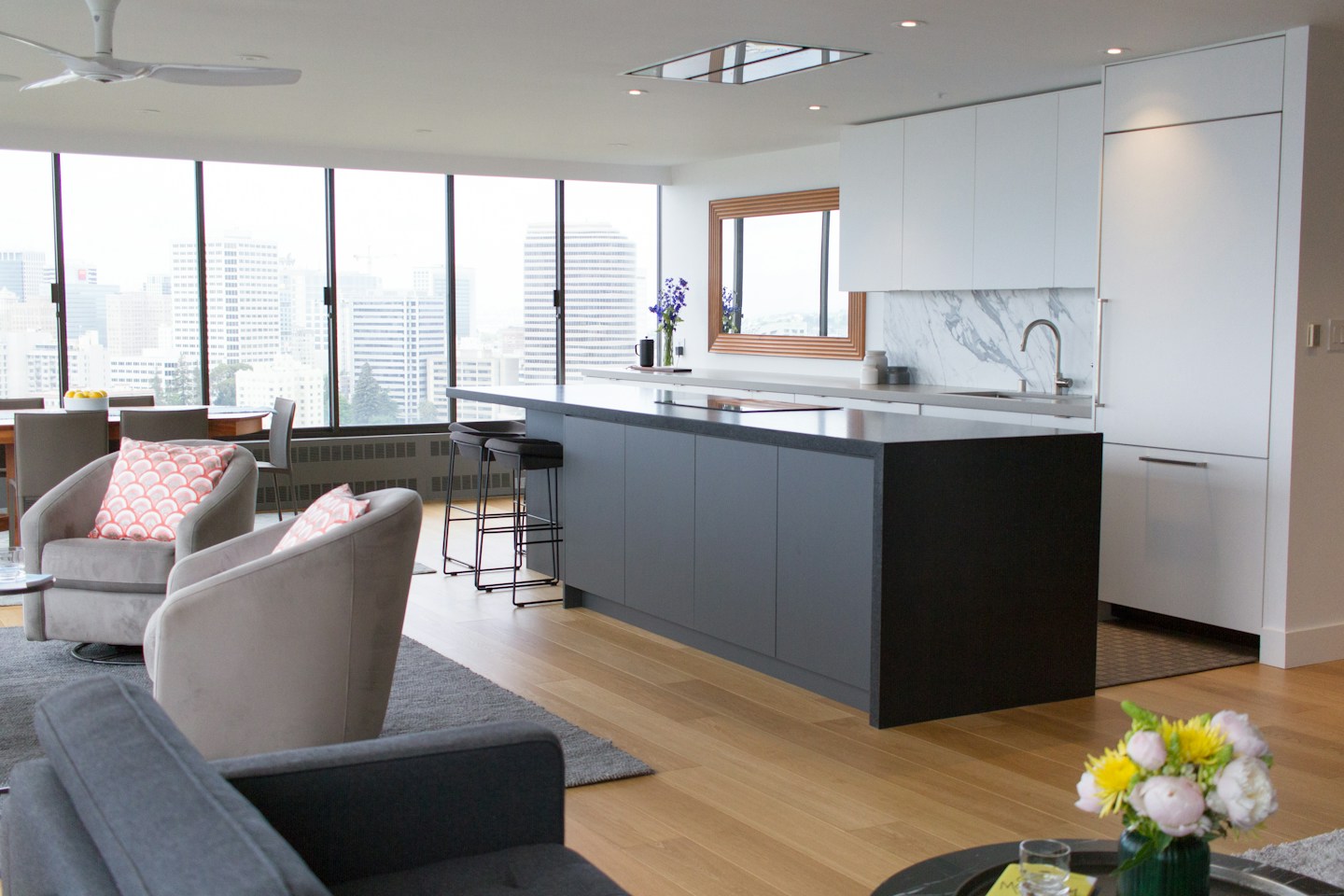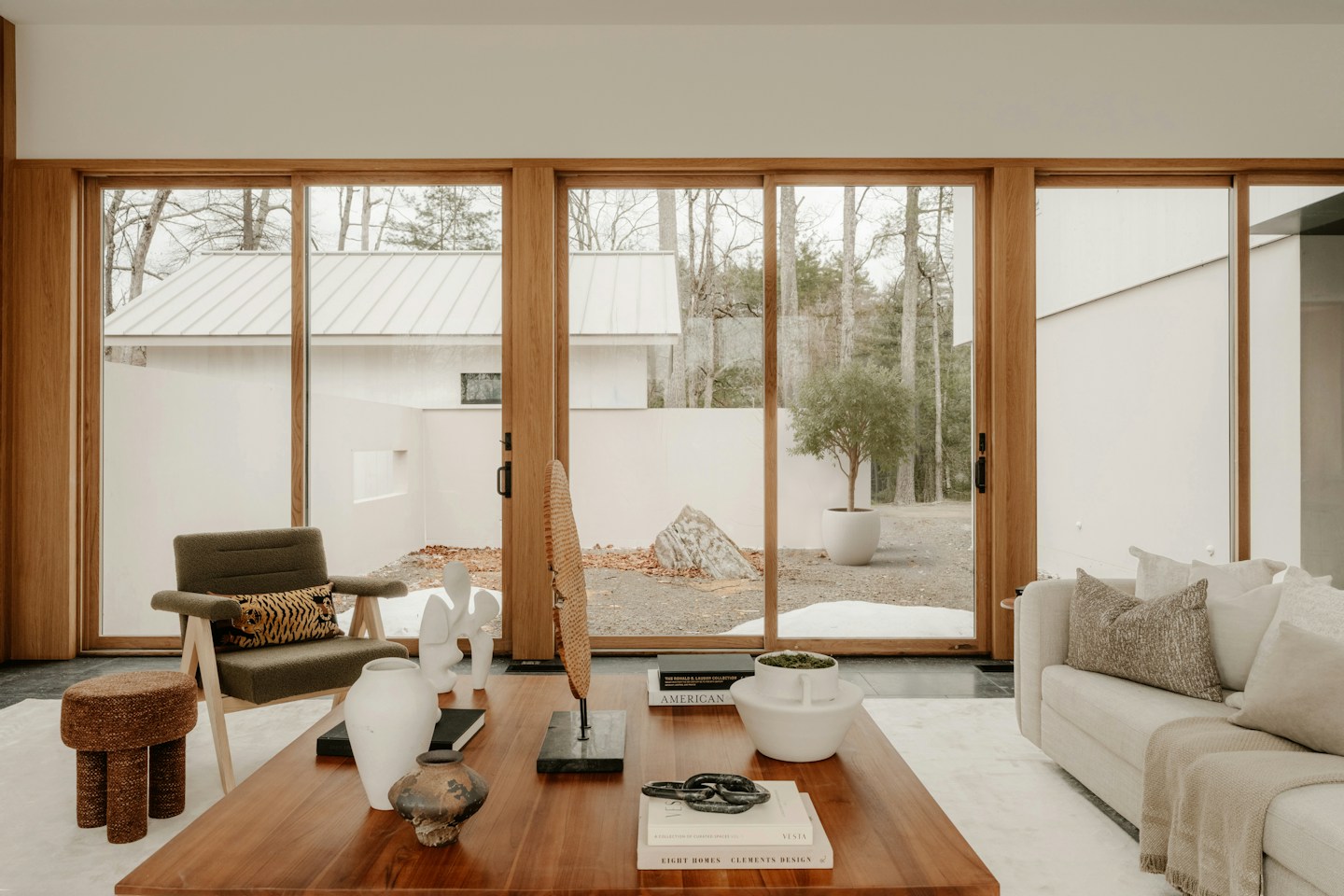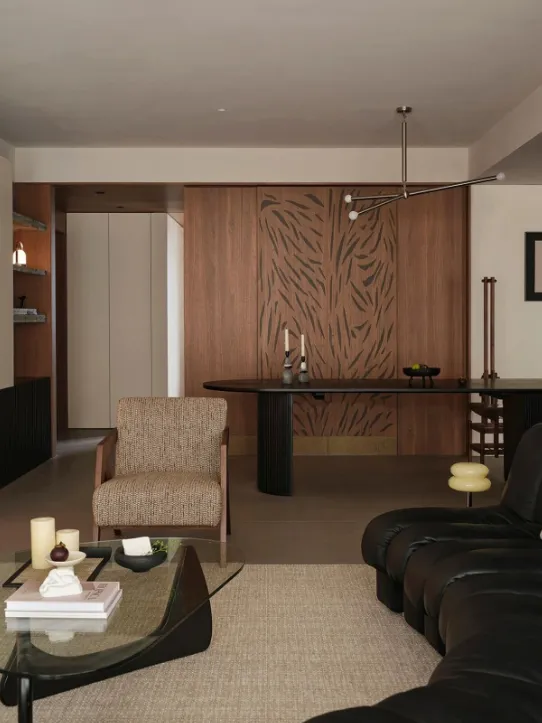
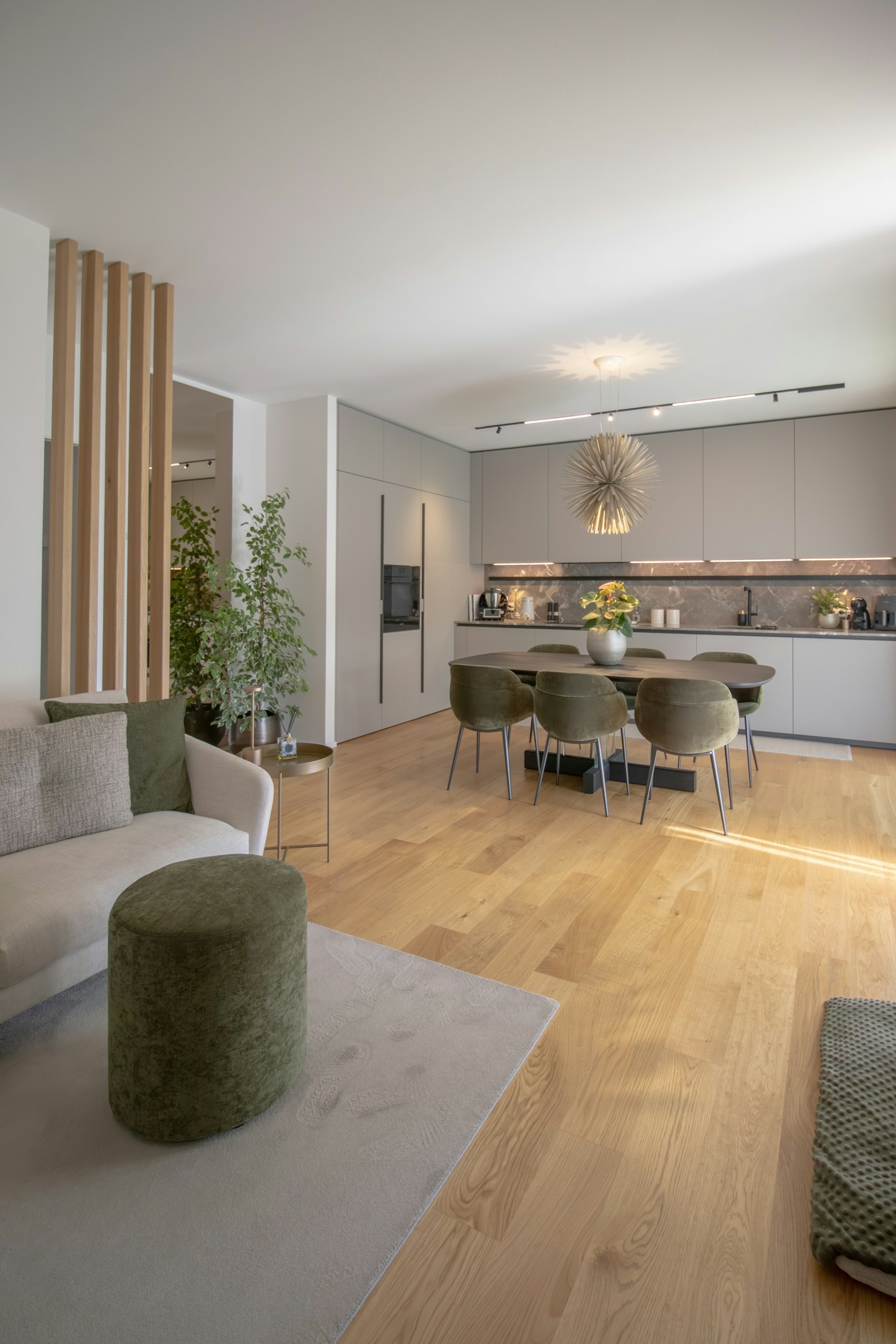
Some living rooms refuse to organize themselves around a single wall. There may be a wonderful window on one side, a screen on another, and a doorway exactly where a neat furniture arrangement seems to belong. Trying to force every seat toward one feature can leave the rest of the room uncomfortable. A better approach is to decide which activities deserve priority at different times, then give the furniture enough flexibility to support them. Multiple focal points can coexist when each has a clear role and the circulation between them remains easy.
List activities instead of competing objects
Rather than writing window, television, and artwork on your plan, write watching, reading, and talking. Objects become difficult to prioritize because each looks important. Activities reveal what the household actually needs. If the screen is used for an hour most evenings but conversation occupies the whole weekend, the seating arrangement need not resemble a miniature cinema. If someone reads every afternoon, access to daylight and a suitable lamp matters. Ask everyone who uses the room which activity feels awkward now. Their answers will be more informative than a vote on which wall should look most impressive.
Establish a main seat and a supporting seat
Position the main sofa for the activity it serves most often. Then use a chair or smaller seat to acknowledge the second focus. A chair angled toward a window can still turn slightly toward the sofa for conversation, provided the model is stable and intended for that use. A swivel chair may offer flexibility, but test its footprint through a full rotation so it does not strike a table or wall. There is no requirement for every piece to face the same direction. Slightly different orientations often make a room feel more natural and less rigid.
Look at views from seated height
Stand in a doorway and the room may seem balanced; sit down and a table lamp might block the garden or the screen. Check the important sight lines from the seats people actually use. A tall arrangement of branches on a central table can interrupt conversation even when it looks attractive in a photograph. Move decorations temporarily and notice what opens up. If artwork is the secondary focus, test its placement with a paper outline rather than drilling immediately. Use appropriate fixings and professional advice where the wall construction or weight of a piece is uncertain.
Give the screen a deliberate place
A screen should be comfortable to watch without dominating every other activity. Consult the screen manufacturer's guidance for viewing distance, mounting, ventilation, and cable management. Test the proposed position while seated before making permanent changes. Avoid locations that create persistent reflections or require a strained upward gaze. Freestanding furniture and screens should be secured as recommended, especially where children may climb. You do not need to disguise a television with complicated cabinetry. A simple, well-proportioned surface and a tidy cable route can let it belong quietly to the room while remaining easy to use.
Keep the window useful
A good view can become irrelevant if reaching the window is difficult or all the seating presents its back to it. Place at least one comfortable spot where someone can enjoy daylight without blocking the main route. Check how the window opens, how curtains stack, and whether furniture obstructs a heater or ventilation outlet. Keep required clearances. If glare affects the screen, try its angle and position before permanently darkening the room. Adjustable window treatments can serve changing conditions, but their controls must be safely installed and accessible. The window should remain a working part of the room, not scenery behind an obstacle.
Use a quiet background for busy architecture
When the room already contains several doors, a fireplace, large glazing, and a screen, extra visual emphasis on every wall can make it feel unsettled. Choose one or two surfaces to remain comparatively simple. This does not demand white paint or minimalism: a continuous bookcase, a restrained color, or a plain curtain can provide a calm background. Repeat one material or color in small amounts across the space to connect different zones. If every feature has a bold frame, contrasting color, and spotlight, the eye has no resting place. Editing the background is often more effective than adding another statement object.
Anchor conversation with a shared center
Even when seats face slightly different directions, they benefit from a shared relationship. A rug, a low table, or simply the distance between seats can define the conversation group. Check that people can speak without leaning forward or raising their voices across a route. Place drinks within comfortable reach using stable tables, and leave enough space to stand and pass. A very large central table may appear to unify the room while physically dividing it. Try a smaller table or two compact surfaces, then spend an evening talking in the arrangement before deciding whether it works.
Let lighting support changing priorities
One overhead light usually gives every activity the same emphasis. A reading lamp, a softer light beside the sofa, and general illumination can make different corners useful at different times. Use products suitable for their location, following electrical and bulb guidance, and keep cables out of walkways. Avoid treating plug-in lamps as an excuse for unsafe extension arrangements. Test whether a light creates glare on a screen or reflects directly in a window at night. The goal is not a complicated lighting scene; it is the ability to read comfortably while someone else relaxes without needing the whole room brightly lit.
Rehearse the room with company
An arrangement that works for one person can fail with four. Invite household members to sit in the proposed positions and simulate an ordinary visit. Open the doors, set down mugs, reach for a book, and walk through. Notice whether a chair must move whenever someone enters. If it does, decide whether that is an acceptable occasional adjustment or a daily annoyance. Keep lightweight occasional seating somewhere accessible if guests are infrequent, rather than filling the room permanently. Never use unstable stools or improvised furniture to solve a seating shortage. Flexibility should make the room easier to use safely.
Accept a plan that changes a little
A room serving several activities will not always look perfectly arranged. A chair may turn toward the garden in the afternoon and toward the sofa later. A small table may move beside the person reading. What matters is that these adjustments are simple and do not block exits or create hazards. After a week, identify the two changes people make repeatedly and accommodate them in the plan. That evidence is valuable. A successful living room does not insist on one viewpoint; it lets daylight, company, and quiet time take their turns without requiring a complete rearrangement.
Use a photograph as a diagnostic tool
Take one picture from the entrance and another from the main seat, using an ordinary lens setting rather than an exaggerated wide angle. Look for objects that compete at the same height: the top of a cabinet, a screen, a large frame, and the back of a chair may form an uncomfortable visual line. Temporarily remove one small object or shift a lamp and photograph the result again. This is a useful way to compare arrangements without relying entirely on memory.
Also photograph the room at night. Daylight can make a dark corner seem acceptable even though it becomes unusable after sunset. If a secondary seat disappears into shadow, a suitable lamp may be a more valuable improvement than another decorative item. Keep the pictures private if they include people, personal documents, or identifying views you would not want to share publicly.
Have a correction or a question? Write to the Amenkingdj team.