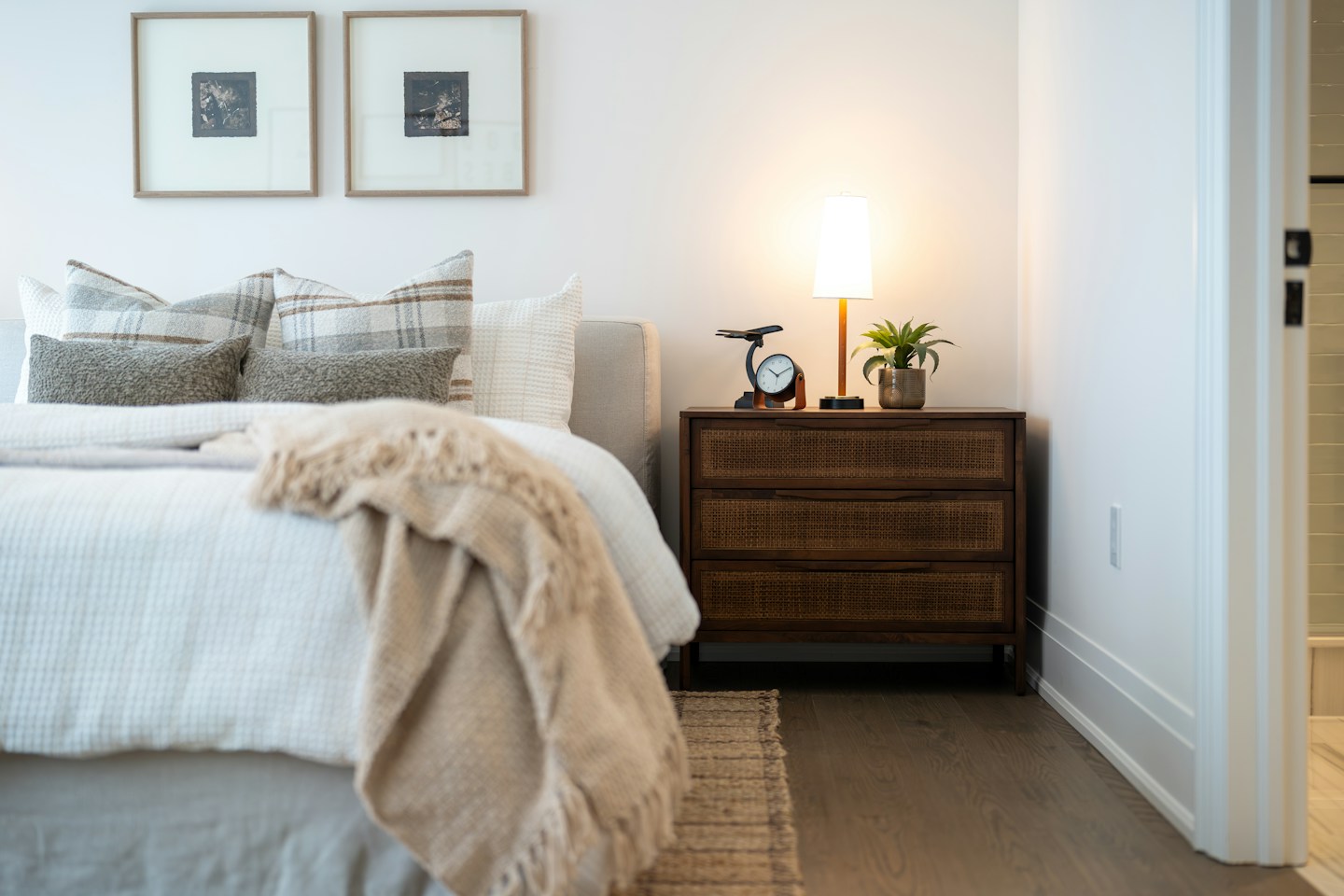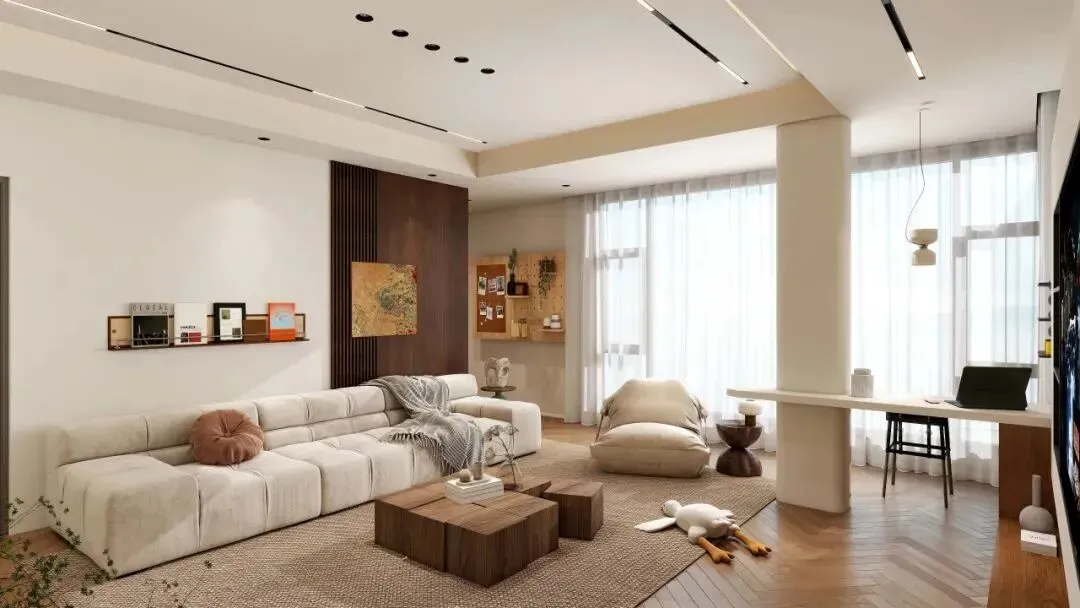
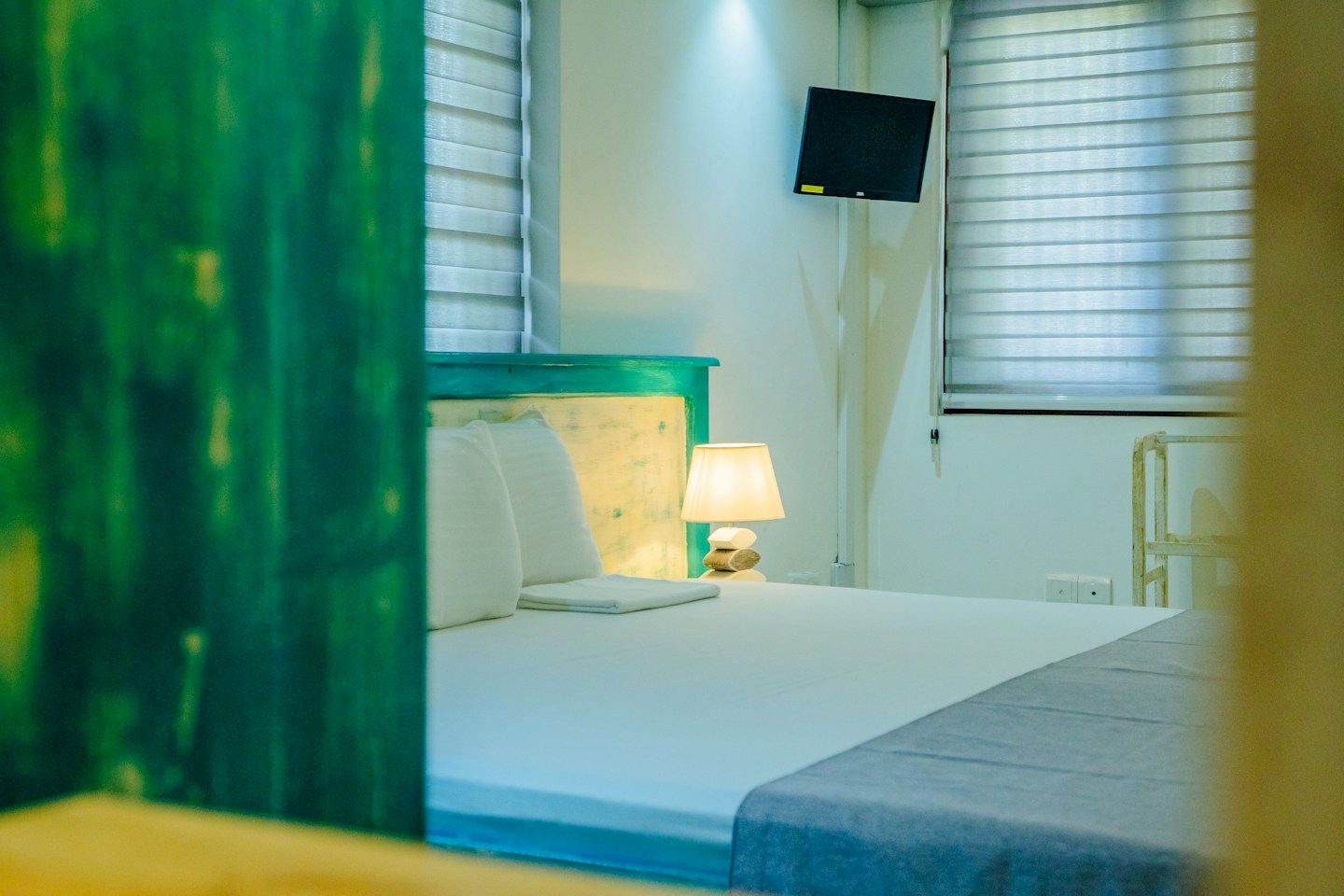
Bedroom windows have two jobs that can pull in different directions. They bring in light when you want an inviting room, and they need to provide privacy and darkness when you want to rest. Buying the heaviest curtain is not always the answer, especially in a small room with limited daylight. Start by noticing when the room feels uncomfortable and what causes it. A few changes to furniture, window coverings, and lamps may solve the problem without altering the building. The most useful solution responds to the window you have and the routine you actually follow.
Observe the room across a day
Visit the bedroom in the morning, midday, late afternoon, and after dark. Note where direct sun falls, whether neighboring windows overlook the room, and which surfaces reflect light. A bedroom used only after work may have different priorities from one used for daytime rest. Keep the observations specific: glare on a mirror at breakfast time is more actionable than a room that feels wrong. Check the room on more than one day if possible because weather changes the impression. This simple record helps you avoid choosing a solution based on a single unusually bright or gloomy afternoon.
Separate privacy from darkness
Privacy means limiting views into the room; darkness means reducing incoming light. A sheer fabric may soften a view during daylight but provide little privacy at night when the bedroom is brighter than outside. A blackout lining may reduce light while doing nothing for daytime openness if kept closed. Decide whether you need different layers for different conditions. Test samples where the covering will hang, and ask the supplier about the actual performance rather than relying only on descriptive names. Consider the household's needs and local surroundings, including streetlights and nearby windows that may affect the room differently after sunset.
Measure the whole window area
Record the opening, frame, surrounding wall, and any radiator or furniture beneath it. Note handles that project into the room and whether the window opens inward. Curtains need space to stack when open, and blinds may need room to operate without catching handles. Follow product measurements and installation guidance rather than assuming every covering uses the same rules. If renting, check permission before drilling or changing fittings. Avoid covering vents or placing fabric against heat sources. The best material will still disappoint if its dimensions or installation prevent normal use of the window or make the room harder to ventilate.
Check light leakage before replacing everything
If existing curtains are nearly suitable, identify where unwanted light enters. Gaps at the sides, the top, or beneath the hem can matter more than the central fabric. A different track position or an appropriate lining may help, but check compatibility and safe installation first. Do not attach heavy material to fittings that cannot support it. Temporary fixes should not block window operation or required exits. If streetlight is the main issue, test a proposed arrangement at night rather than judging it in daylight. This diagnostic step can prevent replacing a whole set of curtains when a smaller adjustment would be enough.
Give natural light a clear path
Look at the space immediately in front of the window. A tall chest, stacked boxes, or dense decorative objects can intercept useful light before it reaches the room. Move removable obstacles and compare the result. Keep access to the window and any heating equipment clear. Light-colored surfaces can reflect more light, but they do not create daylight where little enters. Avoid promises that a mirror will transform a dark room automatically. A mirror may reflect an attractive view or simply reflect clutter and glare, depending on its angle. Test the position safely before making permanent fittings.
Place the bed for comfort
The brightest location is not necessarily the best place for the pillow. Direct morning sun, a draft, or a view from the street may make a particular bed position uncomfortable. Try the experience from lying and sitting positions, considering access on both sides and routes to the door. Keep furniture stable and follow any recommendations for securing it. Do not move the bed so it blocks a heater, vent, window control, or required escape route. If the bed cannot move, targeted window treatments and a change to reflective surfaces may be more realistic than a complete room rearrangement.
Use evening light at a useful scale
A bedroom often needs enough general light to dress and clean, plus a smaller light for reading or winding down. Try these functions separately. A bare bright bulb in direct view may feel harsh even when the overall room is dim. Choose suitable shades and products, observe bulb ratings, and follow the manufacturer's installation guidance. Color appearance and brightness preferences vary, so test a lamp in the actual room if possible. Avoid making medical promises about a particular bulb color. The practical question is whether you can perform the intended task comfortably without unwanted glare or a confusing control system.
Notice reflections after dark
A mirror opposite a lamp can duplicate a bright point in the room. Glossy furniture or a picture under glass may also reflect light toward the bed. Turn lamps on one at a time and view the room from the pillow to locate the source. A modest change in angle or position may solve the problem. Keep mirrors and framed artwork securely installed, using fixings appropriate to their weight and wall construction. If you are unsure, seek qualified help. Do not balance a heavy mirror casually against furniture in a location where it could be knocked or pulled over.
Make controls accessible and safe
Window coverings should be easy to operate without standing on furniture or reaching across the bed. Where children may be present, select and install coverings that meet local child-safety requirements, considering cordless designs. Keep cords and chains safely managed according to the instructions. Lamp cables should remain clear of walkways and free from damage or trapping. A control that is awkward during the day becomes more troublesome in low light. Test every switch and handle as part of the room plan. Accessibility is not a finishing detail; it determines whether the intended light and privacy options will actually be used.
Work with a modest budget
Prioritize the one condition causing the most inconvenience. If the room lacks nighttime privacy, address that before decorative cushions. If reading is difficult, a suitable lamp may be more useful than repainting. Keep a record of existing curtain dimensions and fitting types when shopping so an attractive sale item does not become an expensive mismatch. Ask about returns and sample policies before purchasing. Reuse serviceable materials where possible, but do not reuse damaged electrical products or unsafe fittings for the sake of economy. A small, well-tested change is easier to assess than several purchases made at once.
Evaluate a complete week
After making an adjustment, use the room normally for a week. Check whether the covering opens easily every morning, whether daylight reaches the dressing area, and whether the evening lamp creates glare. Ask other users what remains awkward. Seasonal sun angles and day length will change conditions, so a flexible arrangement may serve better than a fixed compromise. Keep the window and coverings clean according to their care instructions, since dust and grime can affect appearance and operation. A comfortable bedroom does not need a dramatic renovation; it needs sensible control over light, privacy, and the small actions repeated each day.
Keep a small viewing log beside the samples or window treatment notes. Record the time, whether the lamps were on, and the particular problem you noticed. After three ordinary evenings, compare the entries. Repeated complaints about one bright reflection suggest a different solution from occasional early sunlight, and the distinction helps keep the next purchase focused.
Have a correction or a question? Write to the Amenkingdj team.