A bookcase can look orderly and still make it hard to find a book. Alphabetical order may suit one collection, while another household needs a shelf of current reading, a reachable place for children's books, and a clear home for borrowed titles. Before arranging spines by color, decide what the shelves should help you do. A useful bookcase supports choosing, reading, returning, and caring for the books you own. Decorative objects can belong there too, but they should not make every reading choice a small exercise in dismantling a display.
Look at the collection before the shelf
Take stock in manageable sections rather than emptying every shelf onto the floor at once. Separate books you use regularly, books you intend to read soon, reference works, and items you are keeping for personal reasons. These categories may overlap, and that is fine. The point is to understand the collection's roles. Remove unrelated paperwork and objects that arrived by accident. Check for borrowed books that need returning. If the shelves are crowded, deciding what belongs there will help more than purchasing a row of decorative boxes that simply conceals the same excess in a different form.
Choose an organizing rule you can explain
For a small home collection, broad subjects may be easier than a detailed catalog. Fiction can be arranged by author, while cookbooks and gardening references can occupy separate groups. Children's books may work best by size or reading interest, depending on the child. Choose a rule that someone else in the household can follow without asking. Avoid a system so precise that putting away one book becomes a chore. You can refine later if a particular category grows. A good arrangement is one you can maintain after a busy evening, not only while dedicating an afternoon to the shelves.
Give current reading a visible place
Reserve a small section for books being read now or next. This prevents them disappearing into a tightly packed collection and reduces piles beside chairs. Keep the section limited so it remains a useful invitation rather than another backlog. A few books with their covers facing forward can help children choose, but make sure the display is stable and suitable for the furniture. Do not stack heavy books where they could fall onto a seat or bed. The current-reading area should be close to where reading happens if possible, with a simple route back to the main shelves when a book is finished.
Check the furniture before filling it
Inspect the bookcase, shelf supports, and any visible damage. Books are heavy, and a shelf's capacity matters more than how much can be squeezed onto it. Follow the manufacturer's load limits and anchoring instructions. Secure furniture appropriately, especially where children may climb, using fixings suitable for the wall and professional help where needed. Do not improvise with damaged brackets or assume an old shelf can carry a new concentration of weight. Distribute loads as recommended and keep heavier volumes in appropriate lower positions. A beautiful arrangement is not worthwhile if the furniture becomes unstable or difficult to use safely.
Preserve access and handling space
Leave enough room to remove a book without pulling several others onto the floor. Very tightly packed shelves damage the ease of use and can make dusting difficult. Keep books supported appropriately, and use stable bookends where needed. Avoid cramming unusually tall volumes into a space that bends their covers. Adjust shelf heights if the furniture allows it, following its instructions and checking supports after changes. A little unused space is functional: it accommodates new arrivals and lets the collection breathe visually. The aim is not to maximize the number of spines visible per shelf, but to keep the books accessible and in reasonable condition.
Decide how decorative objects participate
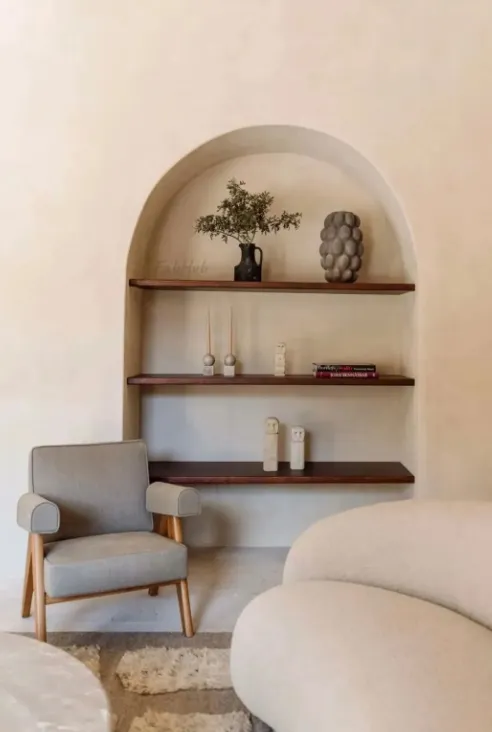
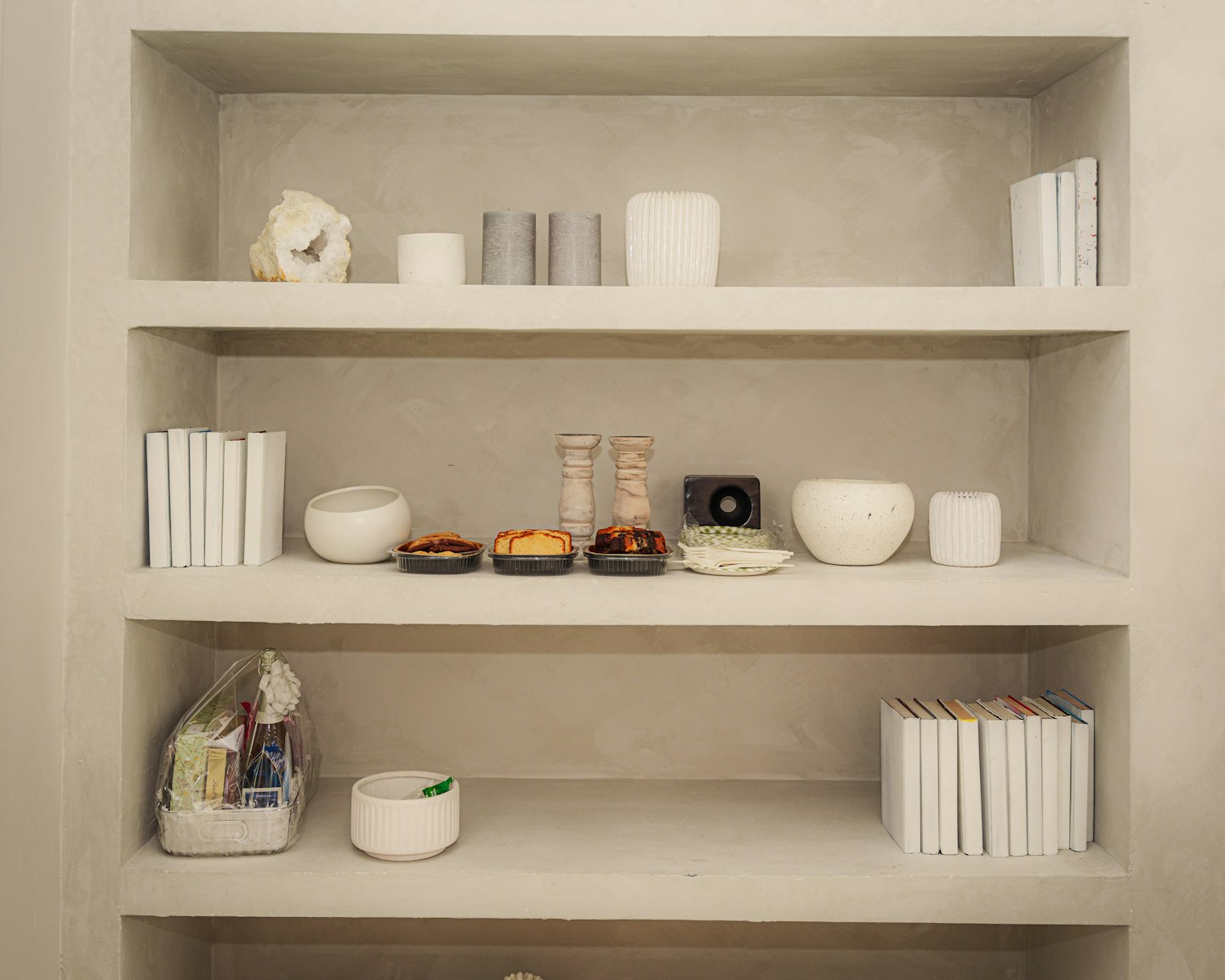
An object on a shelf can make a collection feel personal, but it should not block a book you use often. Place decorations in a deliberate gap or on a less active section rather than scattering them in front of every row. Keep fragile or heavy pieces secure and away from locations where a child might reach or pull. Avoid putting a plant above valuable books if watering or leaks could damage them. If plants are included, use suitable protection and manage water carefully. The shelf can hold both reading material and personal objects when their positions respect one another's practical needs.
Make a separate place for papers
Receipts, instructions, school notes, and letters tend to migrate into bookcases because there is an available flat surface. Give active papers a proper tray or folder elsewhere, with a routine for dealing with them. If reference documents belong on the bookcase, contain and label them so they do not become loose piles between books. Store sensitive information securely rather than leaving it visible to visitors. A bookshelf is not a substitute for an organized document system. Removing unrelated paper often improves the appearance immediately because the books can be arranged as a collection rather than as supports for miscellaneous stacks.
Handle books with simple care
Keep books away from persistent damp, direct water exposure, and unsuitable heat. Strong sunlight can fade some materials, so consider the position of the case and the value of the collection. Dust using a gentle method appropriate to the books and furniture, taking special care with fragile or valuable items. Do not apply household cleaning products to books casually. If you discover mold, pests, or significant damage, seek appropriate specialist advice rather than spreading the problem through the collection. Ordinary care does not require turning the room into an archive, but it does mean noticing conditions before decorative arrangements hide them.
Make room for children's independence
Children benefit from being able to choose and return suitable books, but the setup must match their age and abilities. Place an appropriate selection within reach and keep the furniture securely installed. Rotate a few titles if the full collection is overwhelming, storing the remainder accessibly for an adult. Encourage returning books to broad categories rather than insisting on exact alphabetical placement from a young child. Avoid unstable piles or displays that invite climbing. The objective is a comfortable relationship with reading, supported by a predictable home for the books. A shelf that stays perfect because nobody is allowed to touch it misses that purpose.
Edit the collection thoughtfully
If the bookcase remains overloaded, consider which books still serve you. Sentimental value is a valid reason to keep a book; so is frequent reference. Guilt about an unread purchase is less helpful as an organizing rule. Offer unwanted books through appropriate local donation or reuse channels, checking what they accept and the condition required. Do not assume every organization can use damaged or outdated material. Keep a short list of titles lent to friends if that suits your habits. Editing is not a demand to own fewer books, but a way to make the available shelves reflect the collection you actually want to maintain.
Review the return path
After the new arrangement has been used for a week, look at where books accumulate outside the case. If several stay beside the sofa, a small current-reading shelf nearby might be useful. If children's books never return, the categories may be too complicated or the shelf too high. Adjust the system to observed behavior. Photograph the arrangement if it helps household members remember the broad groups, but do not make every object require a precise position. A useful bookcase can change as interests change. Its success is visible in books being found, opened, and returned with little effort.
Have a correction or a question? Write to the Amenkingdj team.