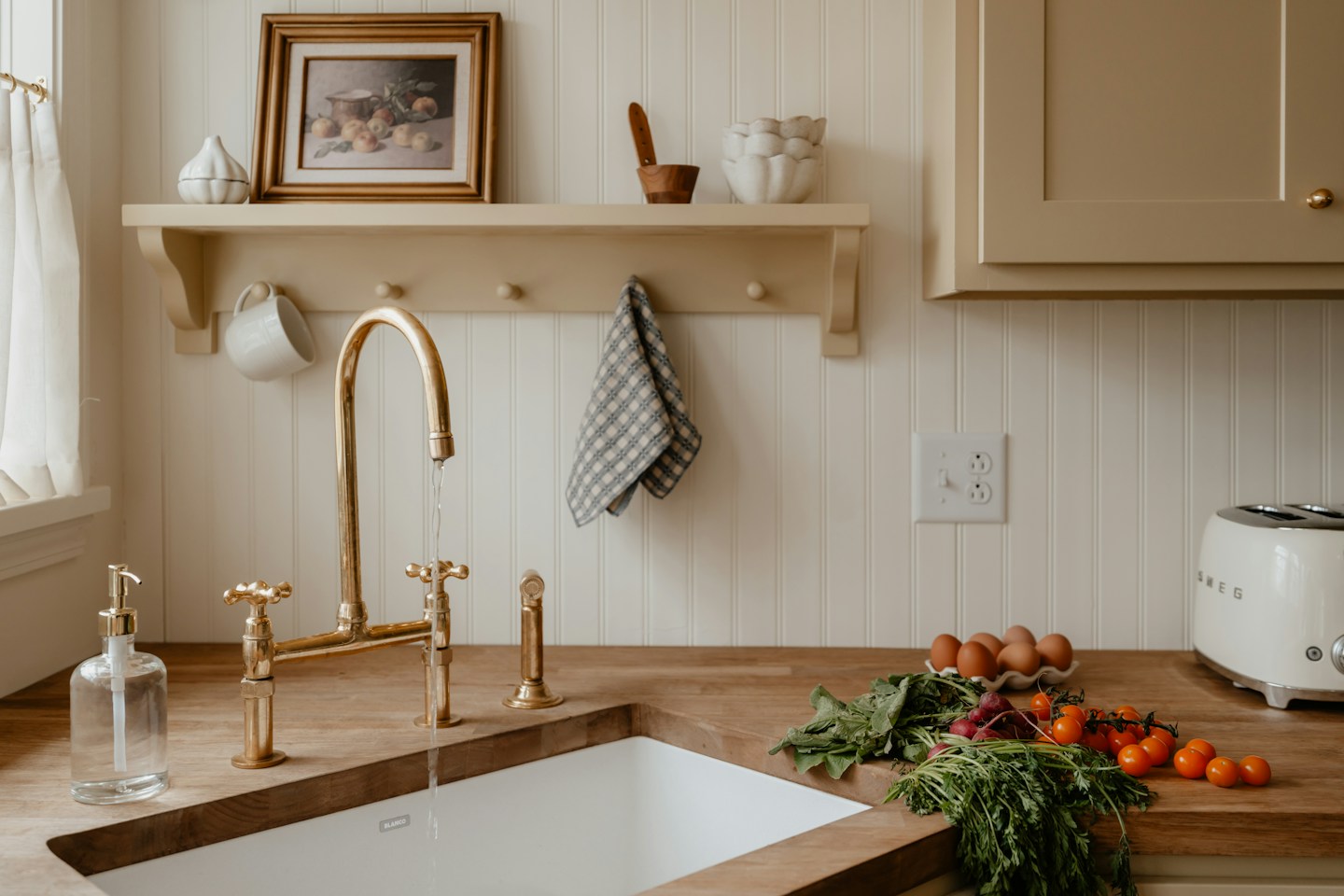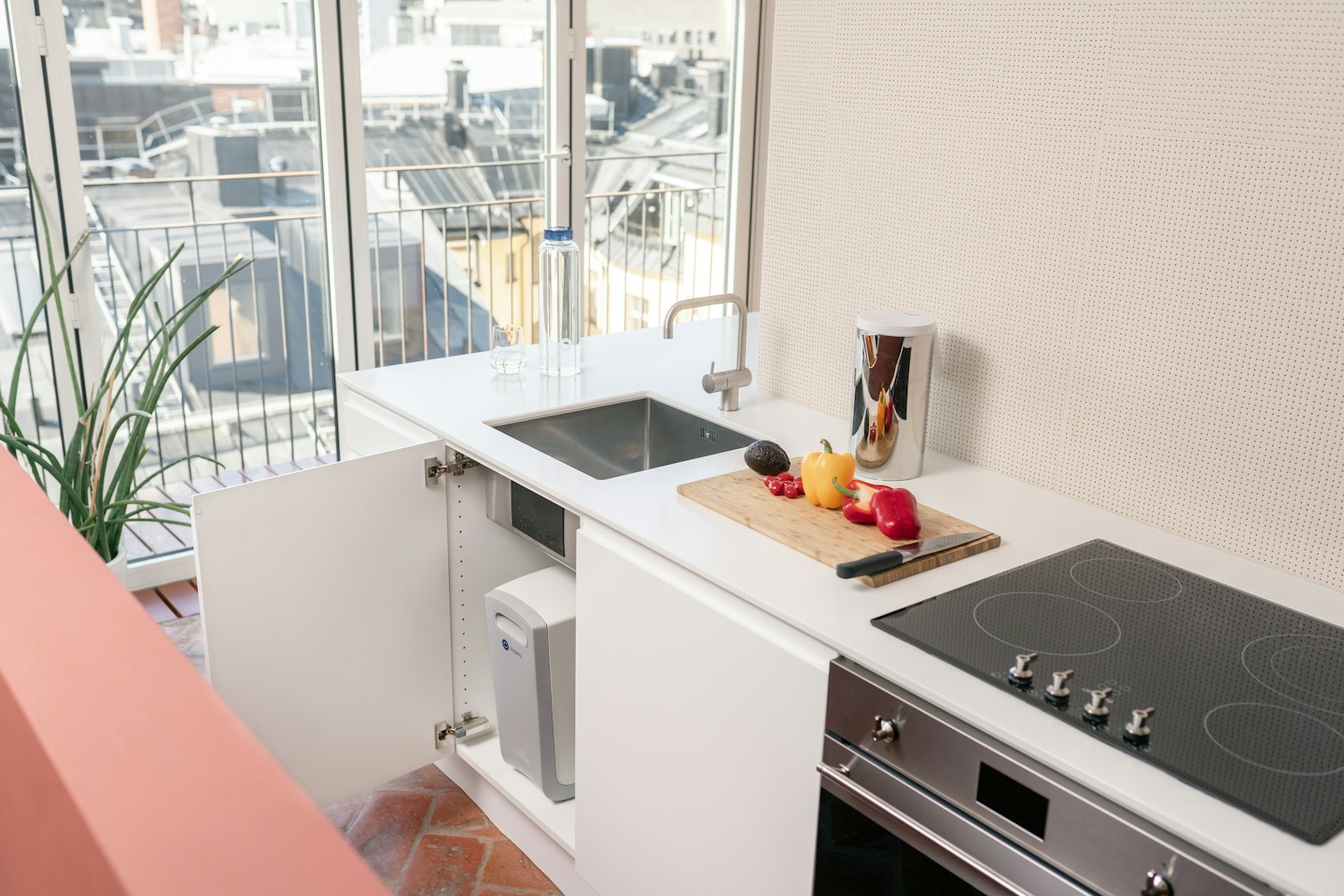

In traditional home decoration, the kitchen usually has an aluminum buckle plate ceiling, and integrated lights embedded with aluminum buckle plates are often used for lighting fixtures. This approach is mature, reliable, and the construction is relatively simple. But as people's demands for design sense and living details continue to increase, the single integrated light scheme has gradually exposed some problems, especially in terms of console lighting, shadow control, and spatial atmosphere. Kitchen lighting may seem simple, but in reality it directly affects the efficiency and comfort of cooking.
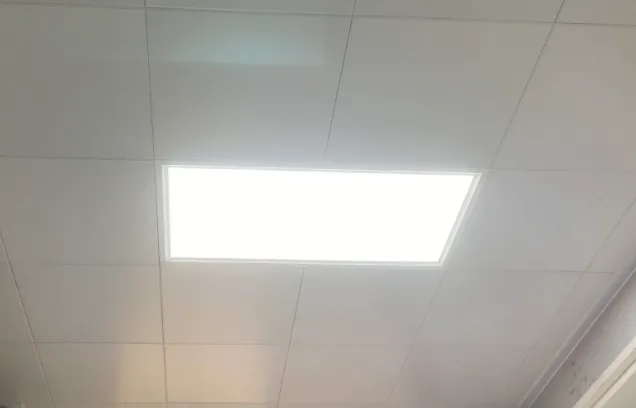
The most common practice is to install square aluminum buckle integrated lights in the center of the kitchen ceiling. It is suitable for most regular kitchens, with direct lighting and easy maintenance. If the kitchen area is large, multiple integrated lights can be installed separately instead of concentrating them in one place, which can make the light distribution more uniform, reduce dark corners, and make cooking more comfortable.
If the kitchen area is not large or the space is narrow, large-sized rectangular aluminum buckle integrated lights can be considered. It usually occupies two aluminum buckle plate slots, equivalent to having double the light source. Due to the rectangular shape of most kitchens, rectangular lighting fixtures are more likely to evenly distribute lighting and enhance overall brightness.
However, relying solely on the main ceiling light is not enough. When cutting vegetables and preparing meals, standing in front of the operating table can block the light from the ceiling, making the table easily a shaded area. If there is a hanging cabinet above the control panel, it will also block some of the light, making the table below the hanging cabinet appear dim. Therefore, adding light strips at the bottom of the hanging cabinet is a supplementary lighting method worth considering. It can directly illuminate the operating table, avoiding being blocked by the body and hanging cabinets, making cutting vegetables and preparing meals brighter and more comfortable.
The situation in the stir fry area is different. Above here is usually a range hood, which cannot be installed with a bottom light strip like a hanging cabinet. The color of the cookware itself is darker, and if the light is insufficient, it is easy to not see the inside of the pot clearly when stir frying. Therefore, it is recommended to choose a range hood with lighting function to provide synchronized lighting when the range hood is turned on, reducing the need for dark operations.
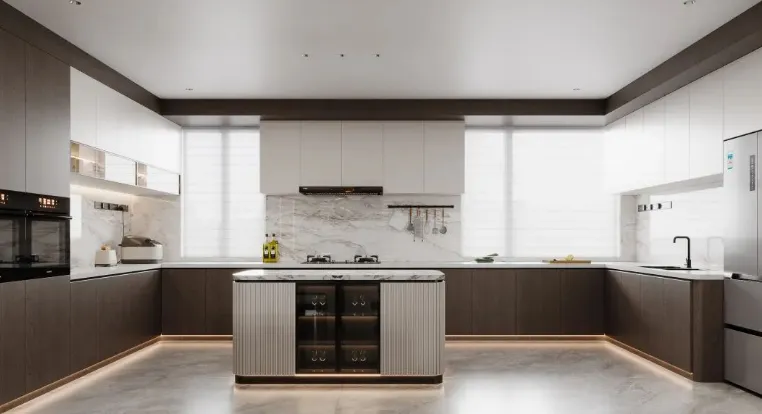
In addition to the lighting fixtures themselves, kitchen wall tiles can also affect the overall brightness. Kitchen space is usually not large, in order to make the environment appear simple and bright, you can choose light colored and slightly reflective wall tiles. This type of tile can reflect light, even if the body blocks some of the ceiling lights, the light shining on the wall tiles can still be reflected to the countertop area, making the console not too dim.
Overall, kitchen lighting should not rely solely on one main light. The integrated ceiling light is responsible for the basic brightness, the bottom light strip of the hanging cabinet and the range hood with lights solve the local operation lighting, and the light colored bright wall tiles help with light reflection and diffusion. Only by combining the area, layout, and operational habits of one's own kitchen can a bright, comfortable, and practical kitchen operating environment be created.
Have a correction or a question? Write to the Amenkingdj team.