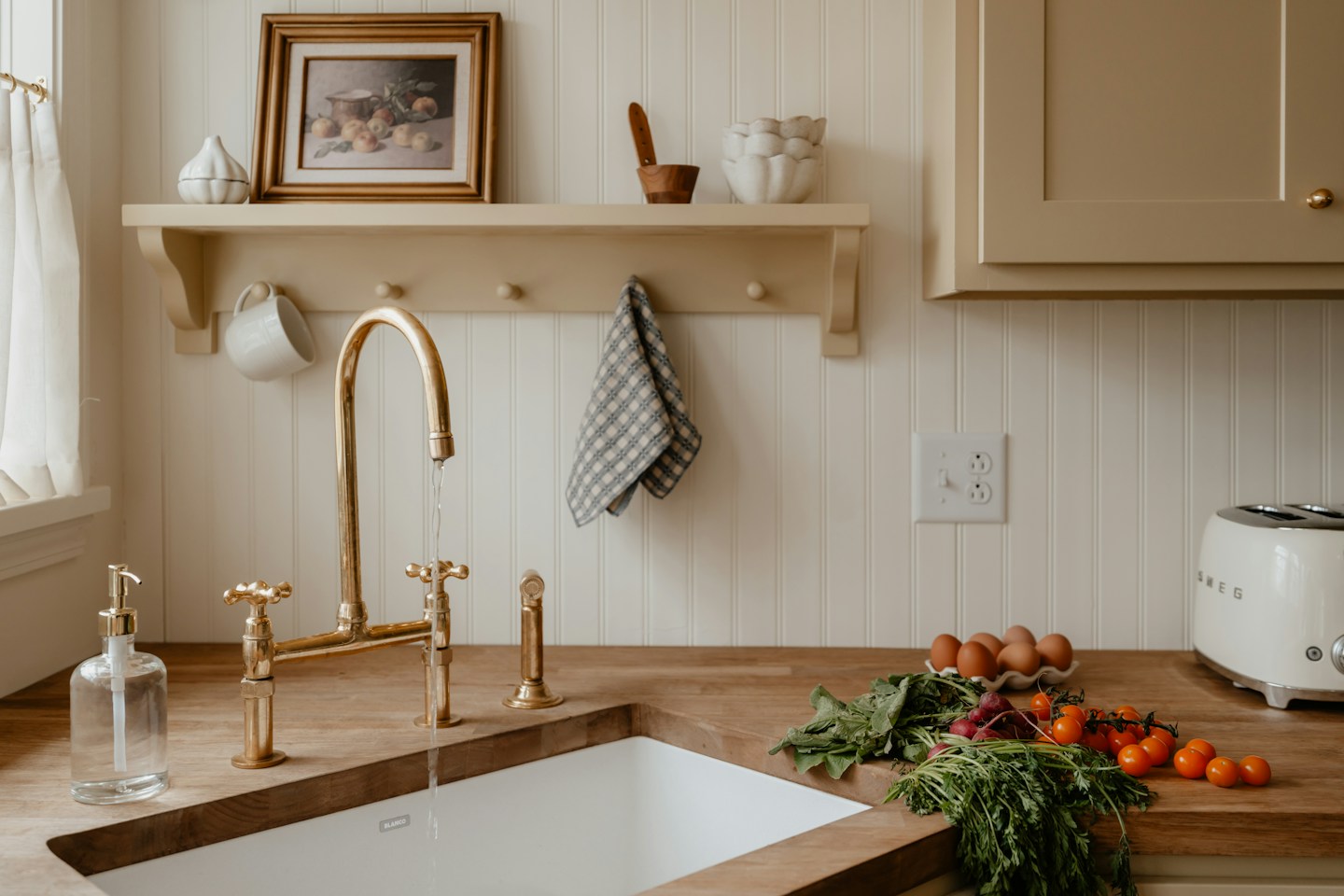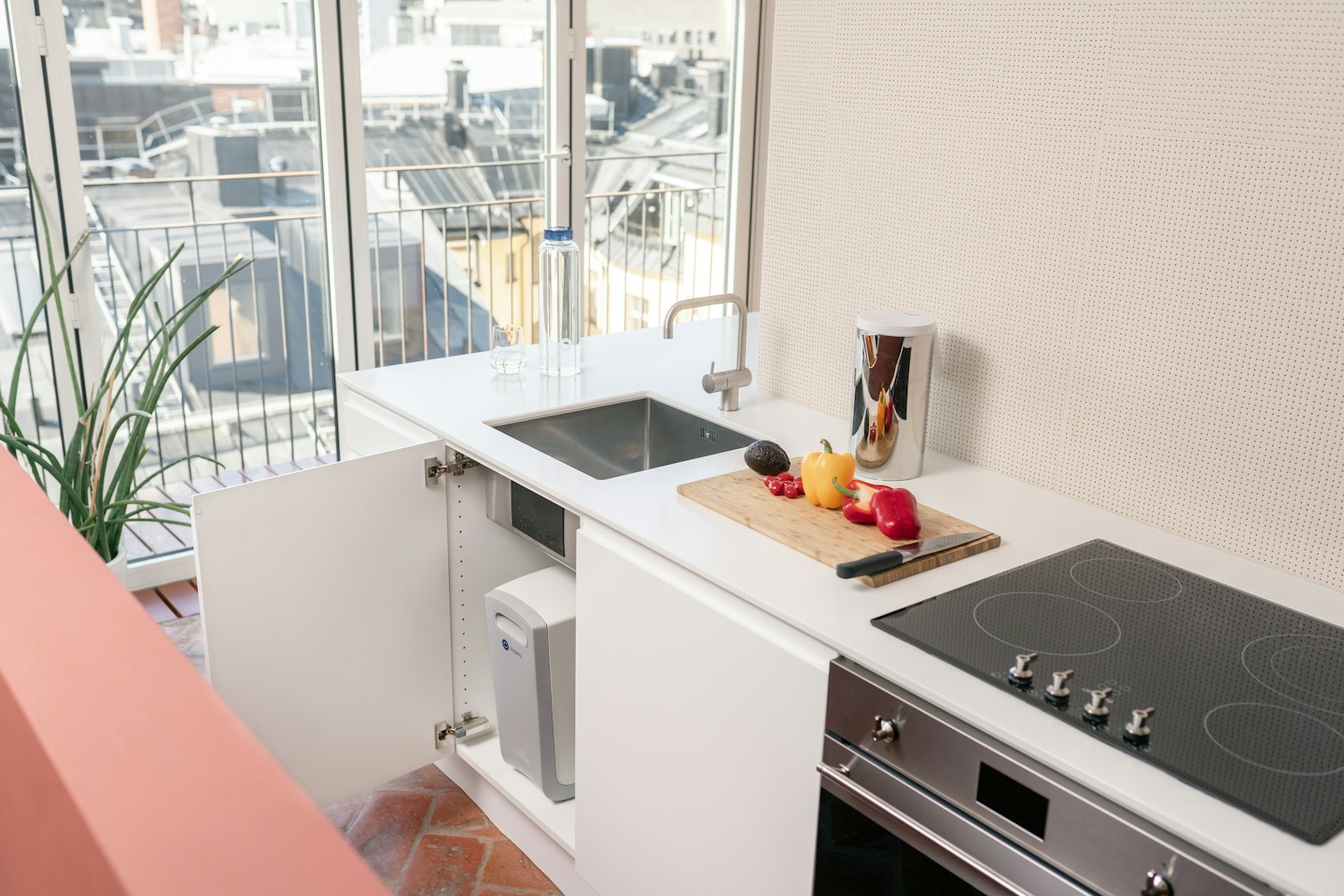

A shared bathroom becomes frustrating when several people need the same small surface at once. Toothbrushes mix with hair products, spare towels block a drawer, and nobody knows which bottle is nearly empty. More storage furniture is not always the answer. The first improvement is to distinguish what each person uses, what everyone shares, and what does not belong in a damp room. With that information, an ordinary vanity and a few well-chosen containers can work much harder. The aim is a bathroom people can use and clean without moving a collection of unrelated objects every time.
Start with a complete inventory
Take supplies out in manageable groups and check their labels, condition, and expiry information. Dispose of products responsibly according to local guidance; do not pour unfamiliar chemicals down a drain. Keep medication in the conditions specified by its manufacturer, which may make a humid bathroom unsuitable. Separate cleaning products from personal care items and store them securely where needed. Notice duplicate products and partly used bottles before shopping. An inventory reveals whether the room actually lacks storage or whether it is holding more stock than the household can reasonably use. Keep only supplies that serve a clear purpose.
Divide items by frequency
Daily supplies need the easiest access. Occasional hair tools, travel kits, and spare stock can occupy less convenient storage, provided it is safe and appropriate. Do not put rarely used products in the main drawer simply because they fit there first. Place everyday items where their users can reach them without stretching over the basin or climbing. Keep the counter around the sink as clear as practical so water and toothpaste can be wiped away. A short daily routine should not require opening three cupboards. The arrangement should reduce actions, not add a complicated filing system to a busy morning.
Give each person a defined area
A drawer section, small washable basket, or labeled shelf can hold one person's supplies. Choose a size that fits the actual items rather than allocating identical containers automatically. One household member may use a razor and brush; another may need several hair products. Labels can be discreet but should be understandable to everyone using the room. Avoid putting personal items in a shared pile that must be searched through. If children use the bathroom, place suitable everyday supplies within an appropriate reach while keeping medicines, sharp tools, and hazardous products securely inaccessible. Individual access should not compromise safe storage.
Keep shared supplies genuinely shared
Soap, spare toilet tissue, and household cleaning tools need predictable locations. Agree on where backups live and what signals that more is needed. One visible spare may be enough in the bathroom, with larger stock elsewhere. Do not fill the vanity with a bulk purchase just because it was economical. Oversupply makes it harder to see leaks and clean around plumbing. Keep paper products dry, and choose storage that does not interfere with ventilation or normal door movement. A simple shared location helps guests as well as household members find essentials without opening every personal drawer.
Use the vanity's awkward spaces carefully
Pipes and traps create gaps that make ordinary drawers or boxes difficult to use. Measure the usable space and preserve access to plumbing and shutoff valves. Removable containers can make the area easier to inspect and empty if water appears. Avoid tightly packing items against connections or hiding a persistent leak behind an organizer. Choose materials suitable for the room and clean them according to their care instructions. If a shelf is damaged or swollen, address the cause rather than covering it with a liner. Storage should make maintenance easier, including the unglamorous task of noticing a problem early.
Plan towel storage around drying
A towel needs a place to dry between uses, not merely a hook where several damp towels overlap. Consider the available airflow, the number of users, and the room's ventilation. Follow care instructions and launder towels appropriately. Keep clean dry towels separate from used ones. If installing hooks or rails, check the wall type, load, and fixing guidance; use qualified help when necessary. Do not drill without checking for concealed services. Freestanding solutions can suit rentals but must be stable and clear of walking routes. Adding more towels to a damp pile is not a storage solution.
Keep electrical tools organized safely
Hair dryers and similar appliances require particular care around water. Follow the manufacturer's instructions and local electrical requirements, keeping equipment away from basins, baths, and showers as directed. Unplug and allow hot tools to cool safely before storage, using suitable heat-resistant surfaces where recommended. Do not coil cords tightly around hot devices or leave equipment plugged in inside a closed drawer unless the system is specifically designed and installed for that use. A basket can keep cool, dry tools together, but it does not make an unsafe location acceptable. Seek qualified advice if the room's electrical setup is unsuitable.
Choose containers that simplify cleaning
Transparent boxes can make contents easy to see, while opaque containers reduce visual noise. Either can work if it can be washed or wiped and dried properly. Avoid elaborate woven storage immediately beside a splash zone if its care is difficult. Measure drawer height and door clearance before buying. Several tiny containers may waste more space than one simple divider. Use enough separation to prevent items tangling, without assigning a miniature box to every object. Leave a little spare capacity so a replacement product can fit even if its packaging changes. A maintainable system tolerates ordinary variation.
Make the countertop a working surface
Keep only items that benefit from being out, such as hand soap and a suitable holder for daily tools. Check that toothbrushes can be stored hygienically and according to product guidance, avoiding a constantly wet closed container. Place decorative objects where they do not obstruct cleaning or invite a spill near electricity. If the sink is narrow, a wall-mounted accessory may release space, but installation must suit the surface and the building. Adhesive products have specific conditions and load limits; follow them rather than assuming they will stay secure indefinitely in a humid room.
Agree on a small restocking rule
Choose one person or a shared routine to check supplies, but keep the rule simple enough that others can help. For example, opening the last spare soap can trigger adding it to the shopping list. A note on a shared list is more reliable than remembering an empty bottle during a busy morning. Do not combine products or transfer them to unmarked containers to save space. Keep labels and safety instructions available. Check occasional items at intervals so unused stock does not accumulate behind the daily supplies. Restocking should support the room, not turn the vanity into a small warehouse.
Test the system during a busy morning
The real test happens when two people need the room in quick succession. Can the first person put things away without blocking the second? Can someone find a clean towel easily? Does a drawer stay open across the route? Make adjustments to those observed problems. After a week, remove any container that adds work without improving access. A shared bathroom rarely needs a perfect symmetrical display. It needs clear ownership, accessible shared essentials, safe storage, and surfaces that can be cleaned with minimal handling. Those qualities make a modest bathroom feel much more comfortable without a remodel.
Try a simple restocking check during the next cleaning session. Open the shared supply area, identify the next spare that will be used, and remove any empty packaging. If checking stock requires moving several personal baskets, change the shelf assignment. Shared essentials should be visible to the person replacing them without exposing everyone else's belongings or dismantling the daily arrangement.
Have a correction or a question? Write to the Amenkingdj team.