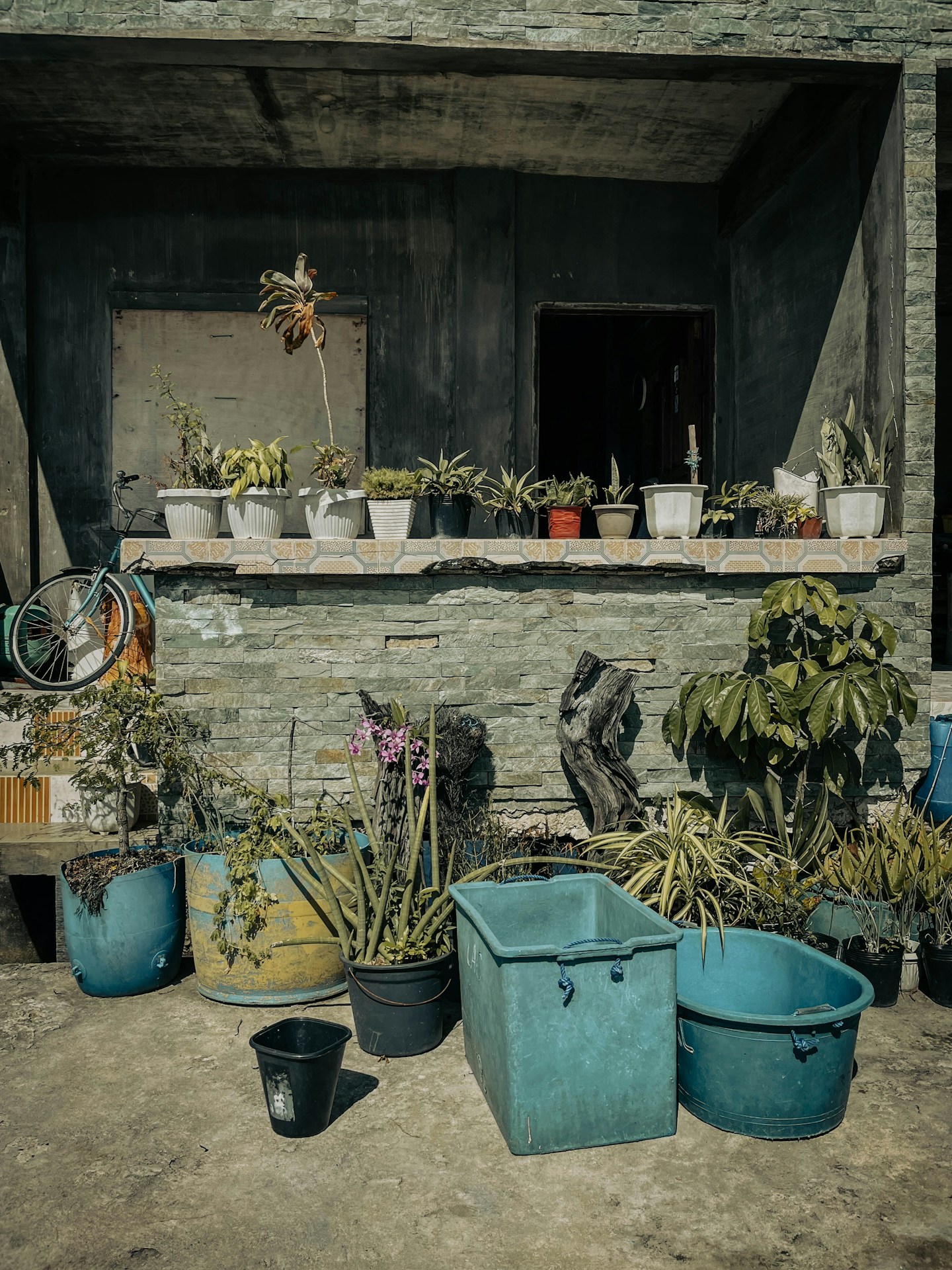
A neglected collection of pots can feel like a single large failure. Some plants have dried stems, others sit in damp compost, and the labels disappeared months ago. Replacing everything may be tempting, but it can repeat the same problems with new plants. A more useful reset begins one container at a time. Identify what is growing, check the conditions, and decide what you can realistically care for. Not every plant will recover, and a general article cannot diagnose every symptom. The purpose is to replace guesswork with a manageable inspection and a better plan for the next season.
Make a simple pot inventory
Walk around the collection and record each container's location, approximate size, known plant name, and visible condition. Take photographs of the whole plant and any labels. Note whether the pot is in sun, shade, or a changing position through the day. Do not pull every plant out immediately; that can add stress and make the task difficult to finish. Separate unknown plants in your notes rather than guessing at their needs. Identification is the foundation for sensible care, because a dry-looking stem can mean different things in different species and seasons. Use a reputable local nursery or horticultural service when identification is uncertain.
Check the setting before the plant
Look for reflected heat, strong wind, deep shade, or runoff from a roof. A pot may have been placed for appearance rather than suitability. Seasonal changes can also alter the conditions since it was purchased. Containers on a balcony or roof terrace need particular attention to wind exposure, safety, and structural load limits; seek appropriate building advice if those are uncertain. Keep pots stable and away from edges where they could fall. Changing the position may help some plants, but move them according to reliable species-specific guidance rather than suddenly shifting a shade-adapted plant into intense sun. The setting often explains why care has felt inconsistent.
Inspect containers for drainage and damage
Check that each container is suitable for the plant and has functioning drainage where required. Look for blocked holes, cracked walls, and unstable bases. Avoid lifting a heavy pot alone or tipping it in a way that could injure you or damage the plant. Use appropriate assistance and equipment. Water sitting in an outer decorative container can be easy to miss. Inspect the arrangement without assuming the visible pot is the only layer. The Royal Horticultural Society notes that container plants can suffer from waterlogging as well as drying out. A watering routine makes little sense if excess water has nowhere appropriate to go.
Assess moisture rather than following a calendar
Water needs depend on the plant, pot, growing medium, weather, and stage of growth. There is no single schedule suitable for the whole collection. Learn an appropriate moisture-checking method for each plant from reliable guidance, and compare the result with its needs. The surface can be misleading, particularly with some growing media. Avoid adding water automatically because leaves look unhappy; both overly wet and overly dry conditions can cause trouble. If the diagnosis remains unclear, seek horticultural advice. A short record of when you checked and what you found is more useful than repeatedly changing the watering amount without observing the pot.
Separate urgent problems from routine tidying
A broken pot near a doorway, water leaking across a path, or an unstable container deserves immediate attention. Faded flowers and untidy leaves can wait while the basic situation is assessed. Keep walking routes clear and handle tools safely. If pests or disease are suspected, consult reliable local guidance before moving plants through the rest of the collection or applying a treatment. Follow product labels and local regulations for any control measures. Do not mix chemicals or use household remedies casually. A tidy appearance is not a diagnosis, and removing visible damage alone may leave the underlying cause unchanged.
Decide what is worth keeping
Once plants are identified and conditions checked, consider their role and likely care demands. A plant that suits the location and remains healthy may need only routine attention. Another may belong in a different setting. A plant clearly beyond recovery can be removed through an appropriate disposal or composting route, taking local disease guidance into account. Do not feel obliged to replace every empty pot immediately. Fewer well-chosen containers can make the collection easier to maintain. The reset is an opportunity to decide how much gardening fits your life, rather than preserving the exact number of pots that accumulated over several years.
Repot only when there is a reason
A tired plant does not automatically need a much larger pot. Assess the root system and growth requirements using species-specific guidance, and choose a suitable growing medium and container if repotting is warranted. The RHS warns that an overly large container can leave roots surrounded by persistently damp medium. Follow appropriate sizing advice instead of treating more compost as a universal improvement. Use clean tools and sensible handling practices, and follow precautions on growing-media packaging. If the plant is large, valuable, thorny, or otherwise difficult to handle, get suitable help. Repotting should address an identified need rather than become the default response to every symptom.
Rebuild care groups
Arrange plants with similar practical needs where their light requirements are met and where you can reach them safely. Grouping does not mean watering every member identically; continue checking individual pots. Keep enough space for airflow, access, and growth. Leave room to inspect the back of a container and remove fallen material. Avoid putting the thirstiest or most frequently handled plant behind a heavy inaccessible pot. A workable arrangement makes routine care visible and manageable. It also helps someone else assist while you are away, because the collection's broad needs are easier to explain when the placement has a clear logic.
Label the information you will forget
Use durable labels with the plant name, the date of any major change, and a reference to reliable care guidance. A brief note such as moved from shaded corner in spring is more useful than an uncertain memory months later. Record the growing medium and pot change if relevant. Do not crowd the label with a rigid watering timetable that will become wrong as conditions change. Keep photographs of labels from purchased plants, since printed tags often fade. Clear records make it easier to ask a nursery for help and prevent buying another plant with the same requirements that previously proved unsuitable for the location.
Make a realistic holiday plan
Consider how the collection will be cared for when you travel or during unusually demanding weeks. A neighbor needs clear plant-specific instructions and safe access, not a vague request to water everything daily. If using a self-watering or irrigation product, choose an appropriate system, follow its instructions, and test it in advance under normal conditions. Check local water restrictions and avoid arrangements that can cause leaks or runoff problems. Do not assume technology removes the need to inspect plants. A smaller collection that can be managed reliably is often a better choice than adding equipment to support an expanding set of unsuitable pots.
Review the reset through a season
Give changes time to show their effect, following the plant's normal growth cycle. Keep brief notes and photographs rather than making several new adjustments every few days. If a plant continues to decline, seek qualified horticultural advice with its identity, conditions, and care history available. When buying replacements, choose for the actual light, climate, available space, and your capacity to maintain them. The aim is not to rescue every container at any cost. It is to build a collection you understand, with suitable plants, usable access, and a care routine that remains achievable after the initial enthusiasm of the reset has passed.
Further reading
For additional guidance, see the Royal Horticultural Society advice guide.
Have a correction or a question? Write to the Amenkingdj team.