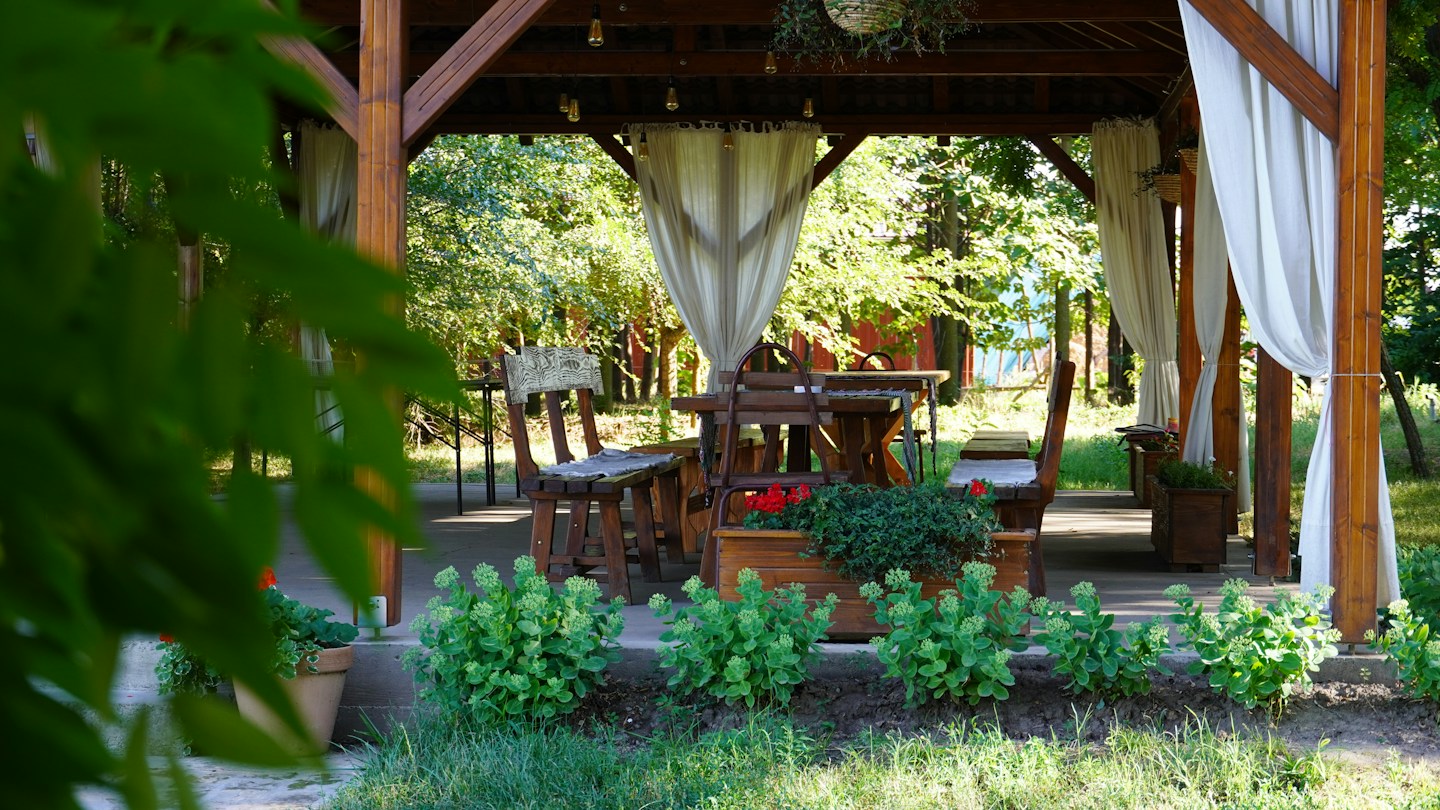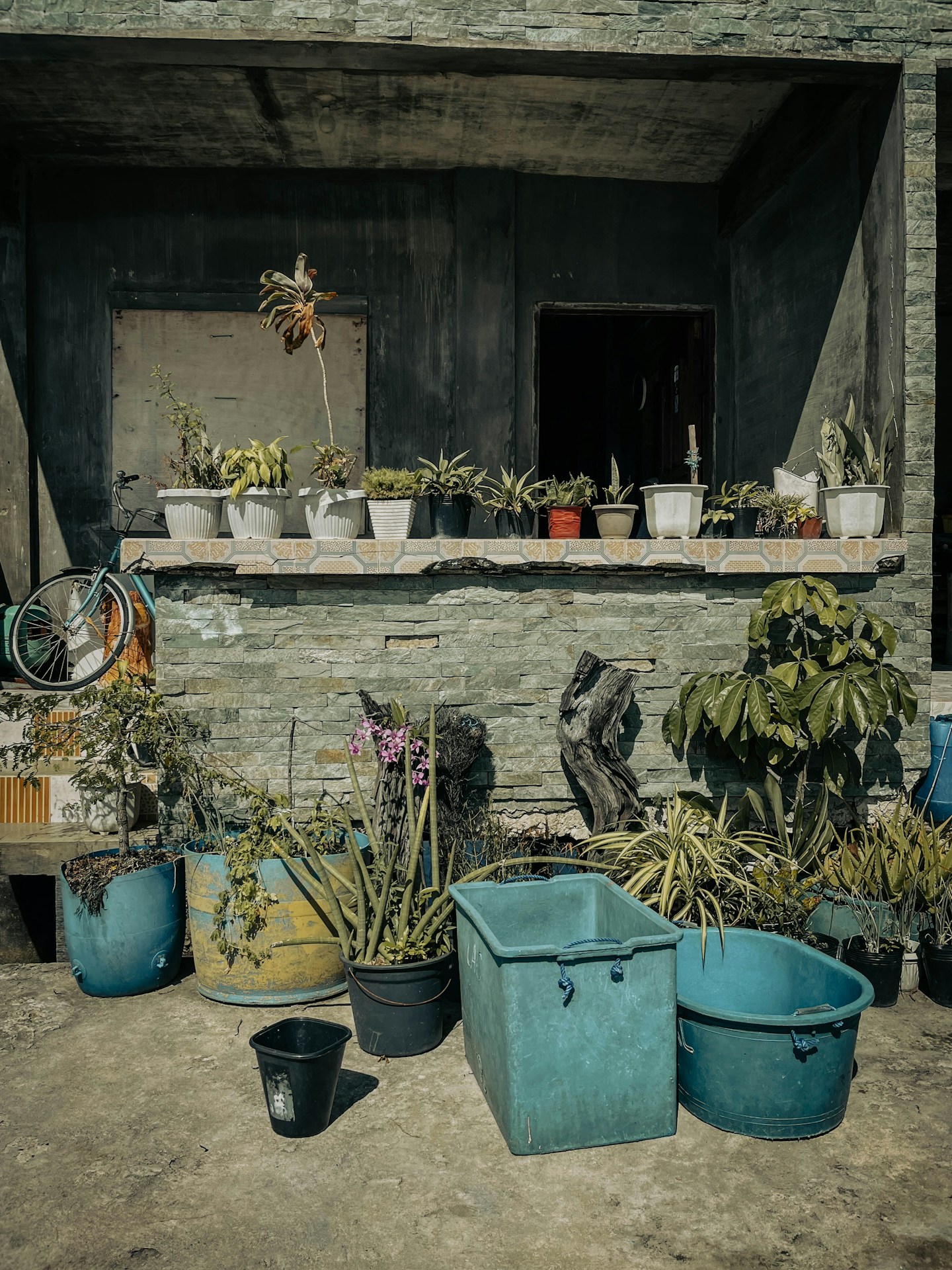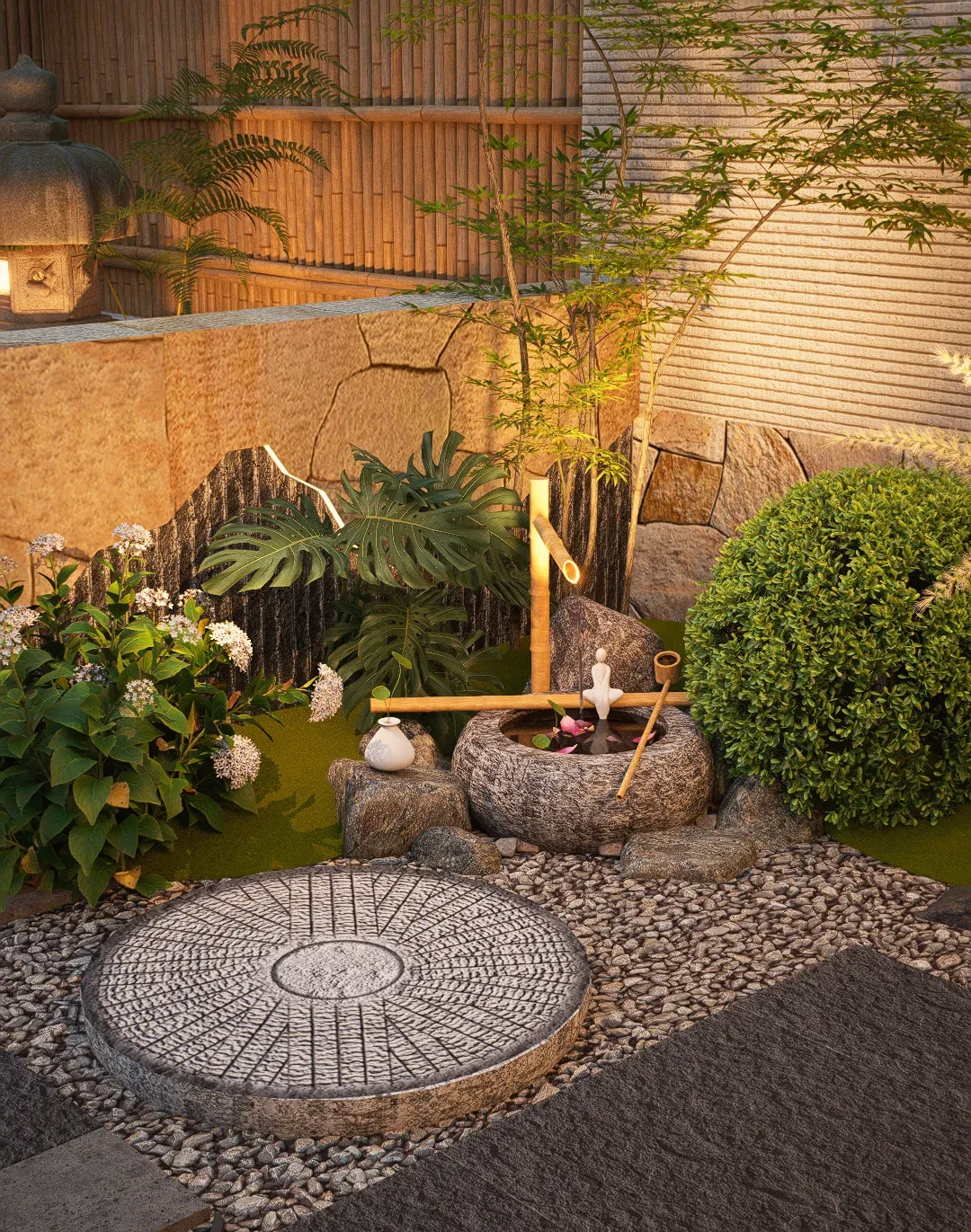
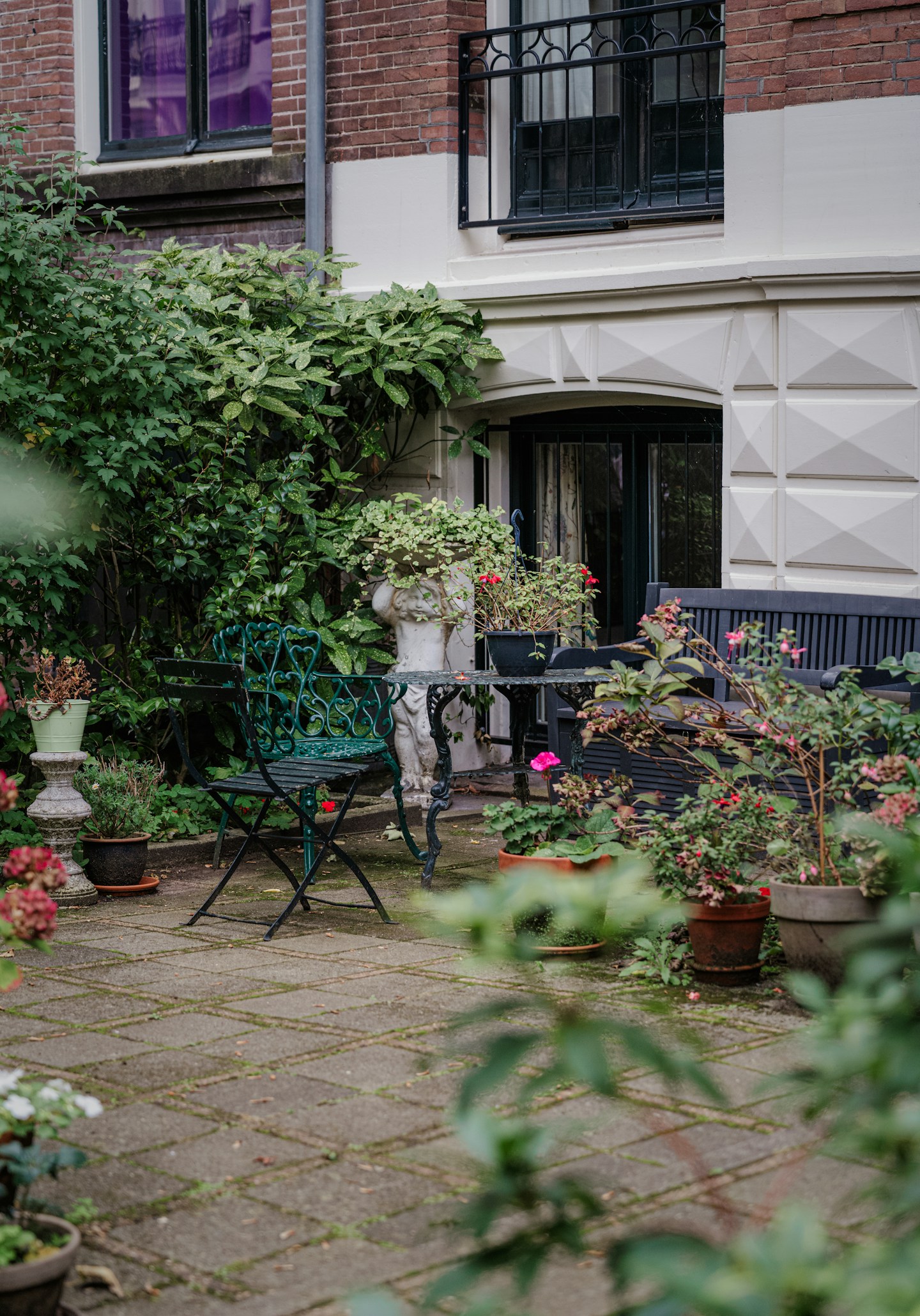
A small patio can be full of promising objects and still have nowhere comfortable to sit. A table is too close to the door, pots narrow the path, and the only chair faces the storage bins. Before buying a matching outdoor set, find one place where you would genuinely enjoy spending twenty minutes. That place gives the rest of the patio a purpose. Start with the seat, the route to it, and the conditions around it. Planting and accessories can then support an outdoor space that is used, rather than one that merely looks complete from the kitchen window.
Watch the patio before drawing it
Observe the area during the hours you are likely to use it. Morning coffee, lunchtime breaks, and evening meals may happen under very different sun and wind conditions. Note where water collects after rain, where neighbors have a direct view, and which doors need a clear swing. If you rent or share the outdoor area, check permissions and responsibilities before changing anything. A basic sketch should include drains, steps, fixed services, and access points. The Royal Horticultural Society's garden design guidance similarly emphasizes how people move, sit, work, and play as a starting point. Your own routine provides the detail that makes the plan useful.
Try a chair in several positions
Use an existing outdoor-suitable chair to test the most promising spots. Sit long enough to notice glare, drafts, noise, and the view. A place that looks sheltered from indoors may be surprisingly exposed at seated height. Move the chair rather than immediately adding screening. Check that its feet sit securely on the surface and do not catch in gaps. Do not place seating on unstable ground or close to an unprotected drop. If the paving is uneven or damaged, address the surface with appropriate help before treating the area as a finished seating zone. Comfort begins with a stable, usable place to sit.
Preserve the everyday route
The patio may be the way to a shed, washing line, gate, or refuse area. Keep that route usable when the chair is occupied and any table is in place. Walk it while carrying the items normally taken outside, such as a laundry basket. Avoid making the only route depend on stepping over pots or squeezing behind a seated person. If the area includes steps, keep them visible and clear. The route does not need to be visually dominant, but it should remain obvious in low light and wet weather. A garden arrangement that blocks ordinary household tasks will quickly be moved aside or abandoned.
Choose furniture for the available footprint
Measure furniture in use, including space to pull out a chair and sit down. A compact table may require more surrounding room than expected. Folding furniture can help where storage is available, but inspect its stability, locking mechanism, and suitability for outdoor use. Follow load and care instructions. Avoid buying a full set simply because the pieces are sold together. Two comfortable chairs and a small stable surface may serve the patio better than a large dining arrangement used once a year. Leave room to clean around the furniture and reach drains, doors, and any required access points.
Add privacy without creating another problem
A suitable screen or group of plants can make a seating area feel more settled, but check the consequences for wind, light, access, and neighboring properties. Follow local rules, tenancy conditions, and installation guidance for fixed structures. Do not attach a heavy screen to a fence that cannot support it or assume a freestanding panel will remain stable in strong wind. Planting takes time to grow and needs care, so avoid treating it as instant maintenance-free architecture. Sometimes turning the seat slightly or changing its position provides enough privacy without adding another structure to a small space.
Keep planting manageable
Begin with a few containers suited to the conditions rather than a large collection of impulse purchases. Choose plants using reliable local guidance for climate, light, mature size, and care requirements. Consider toxicity and accessibility where children or pets use the patio, and consult appropriate authoritative information for specific plants. Group containers so they do not obstruct walking or create a narrow hidden corner. Keep their weight and the supporting surface in mind, especially on raised terraces or balconies, where structural capacity may need professional confirmation. A modest planting scheme that you can care for consistently will contribute more than a crowded display that quickly becomes difficult to maintain.
Plan watering access
Think about how water will reach the containers and where excess water will go. Carrying a heavy watering can through a tight arrangement is inconvenient, while a hose across the route can become a trip hazard. Follow local water restrictions and choose a practical method for your household. Do not allow runoff to create slippery patches or affect neighboring spaces. Container watering needs vary with plants and conditions; use reliable plant-specific guidance rather than assuming every pot needs the same schedule. Easy access makes routine care more likely and prevents furniture from needing to move whenever the plants require attention.
Use shade deliberately
If the useful seating spot receives more sun than you want, explore a suitable shade option. A parasol or other movable product must be correctly sized, secured, and used according to its wind and weather instructions. Close or store it when required. Fixed awnings and structures may need permissions and professional installation. Do not improvise fabric attachments that could pull loose or overload a support. Check how shade changes access and the space around the seat. You may find that shifting the chair for different times of day is simpler than installing a large structure in a small patio.
Keep evening use simple
If you expect to sit outside after dark, plan enough light to see the route and any steps. Use products rated for their outdoor location, with appropriate electrical installation and protection. Seek qualified advice for fixed lighting or uncertain connections. Keep cables clear of walking areas and avoid relying on indoor extension arrangements outside. Consider neighboring windows when positioning lights, and use only the brightness needed for the task. A gentle view from the house is welcome, but practical visibility comes first. The patio should remain easy to enter and leave without navigating around unlit furniture or plant pots.
Make storage part of the plan
Outdoor cushions, folding chairs, and small accessories need somewhere suitable to go during unsuitable weather or between uses. Check care instructions and store items clean and dry as appropriate. A storage box should not block ventilation, drainage, or the main route, and its lid must operate safely. If the patio cannot accommodate storage, choose fewer items or materials that fit your available routine. Do not buy cushions that require a storage solution you do not possess. The daily effort of protecting and returning furniture determines whether the seating area feels inviting or becomes another household task you prefer to avoid.
Leave space for the patio to evolve
Use the first arrangement for several weeks before filling every gap. Notice where you move the chair, which plants are easy to reach, and whether the small table is actually used. Spend the next part of the budget on an observed need, such as a more comfortable seat or better storage. Remove objects that narrow routes without adding pleasure or function. A small patio does not need to imitate a larger garden. One comfortable seat, a clear path, and a few well-cared-for plants can make it a place you return to often, which is a more useful measure of success than the number of features it contains.
Further reading
For additional guidance, see the Royal Horticultural Society advice guide.
Have a correction or a question? Write to the Amenkingdj team.